Based on your query and the provided images of Mansahi Hat Hospital, here’s a detailed analysis of the key factors that most affect hospital selection among patients in Mansahi:
1. Accessibility and Proximity
Patients typically choose the hospital that is closest to their home or village. Mansahi Hat Hospital is centrally located and accessible by local roads, which makes it a popular choice for immediate or routine care, especially for those with limited transport options.
2. Cost and Affordability
As a government-run Primary Health Centre, Mansahi Hat Hospital offers free or low-cost medical services, medicines, and immunizations, which is a critical factor for the predominantly low-income rural population.
3. Reputation and Community Trust
Word-of-mouth and community reputation play a significant role:
-
Positive stories about helpful staff, successful treatments (especially maternal/child care), and government initiatives encourage others to visit.
-
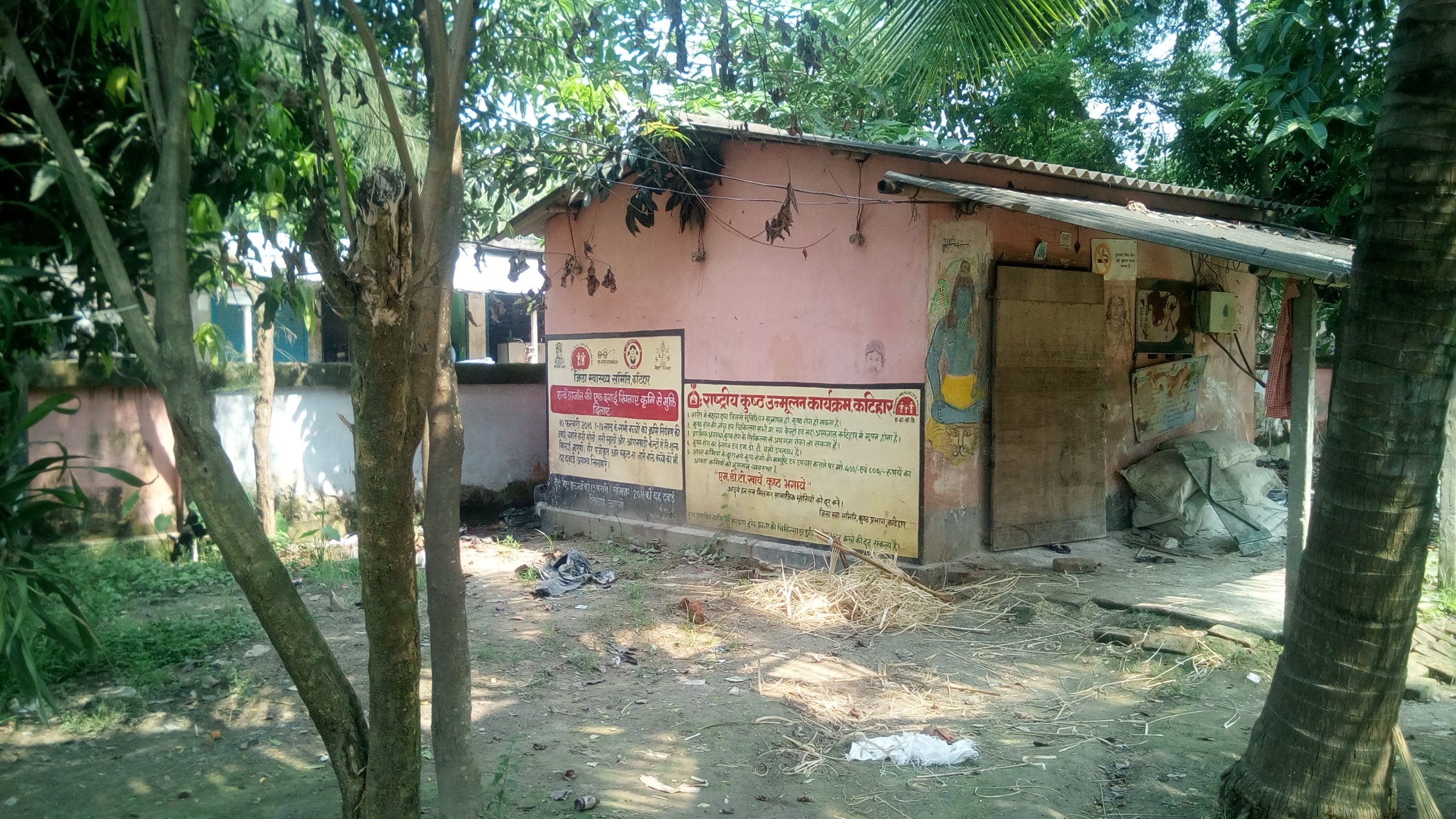
Murals and banners (as seen in your images) further build trust by displaying health awareness messages and details about government-backed programs.
4. Available Services
Patients consider the range of services offered:
-
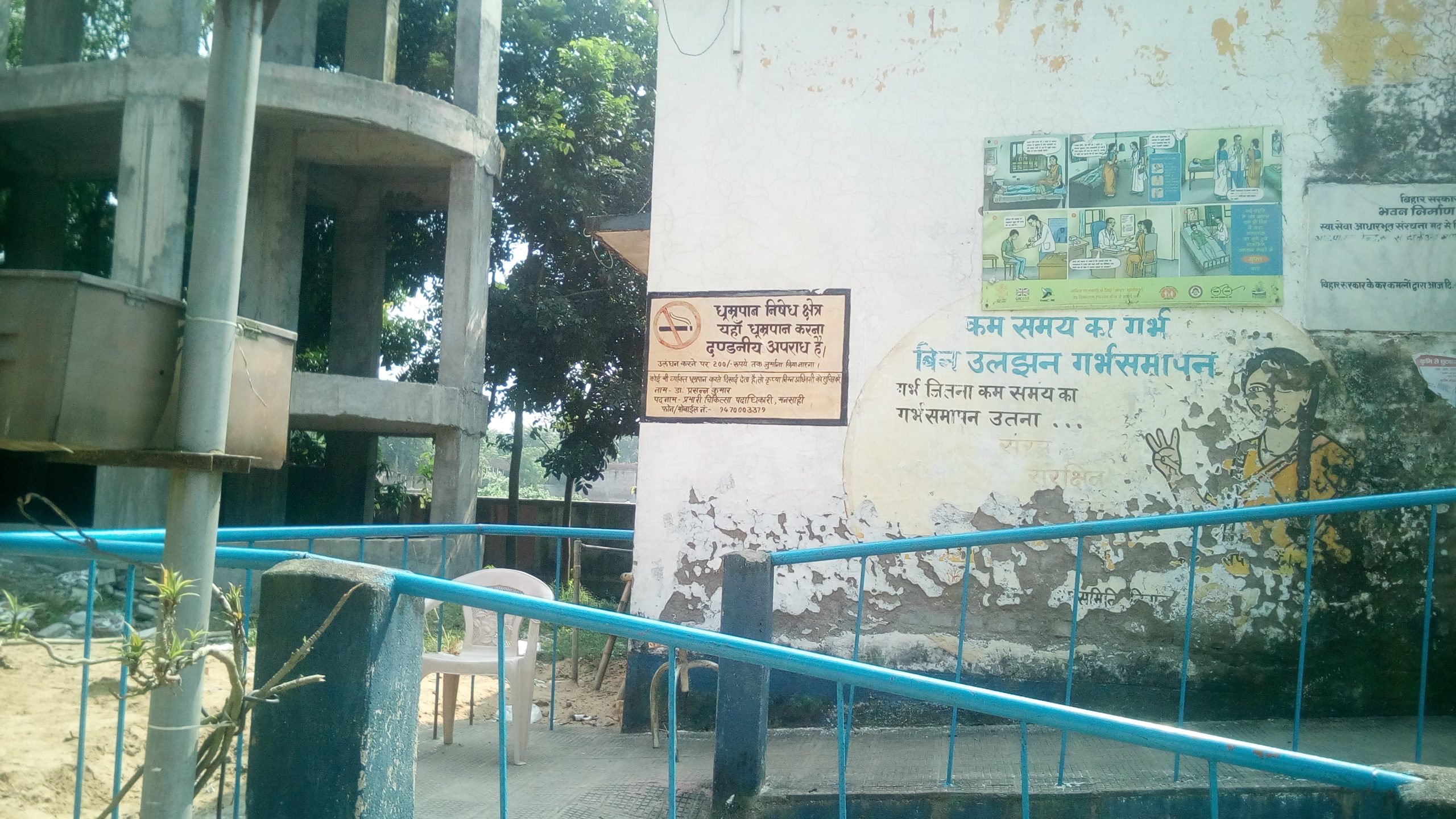
Maternal and Child Health: Many wall paintings and posters emphasize safe delivery, immunization, and newborn care.
-
Preventive Care & Health Campaigns: Initiatives like eye donation drives and family planning camps appeal to public health needs.
5. Infrastructure and Cleanliness
Physical infrastructure (such as wheelchair ramps, waiting areas, and visible cold storage for vaccines) and perceived hygiene levels affect patient choices. Some images show basic upkeep and arrangements, which reassure patients, but visible signs of wear and clutter could sometimes deter new patients.
6. Staff Behavior and Efficiency
Friendly, approachable staff and efficient care (e.g., quick registration, guidance, and support from ASHA or ANM workers) contribute strongly to hospital selection and repeat visits. This is often shared among villagers as informal “reviews.”
7. Awareness and Education
Posters and wall writings about safe abortion, newborn care, immunization, and disease awareness reflect the active effort to educate patients, which influences their trust and comfort in utilizing the hospital’s services.
8. Referral and Emergency Handling
For more severe or specialist cases, patients may consider higher-tier hospitals. However, for primary care, the proximity and quick response of the local PHC (like Mansahi Hat Hospital) is the deciding factor.
Summary Table: Key Factors Influencing Hospital Selection in Mansahi
| Factor | Influence Level | Evidence (from images/context) |
|---|---|---|
| Accessibility & distance | High | Central PHC location, village signage |
| Cost & affordability | Very High | Free govt. services, posters on schemes |
| Reputation/trust | High | Wall murals, community word-of-mouth |
| Range of services | High | Immunization, maternal care, awareness campaigns |
| Infrastructure/hygiene | Moderate | Ramp, seating, visible basic maintenance |
| Staff interaction | High | Dependent on ASHAs, nurses, registration process |
| Health education | Moderate to High | Educational wall art/posters |
| Referral capability | Moderate | For advanced care, hospitals in Katihar city |
Conclusion:
Patients in Mansahi choose hospitals primarily based on proximity, cost, community trust, and the availability of critical primary health services. The visible presence of health awareness and outreach programs (as shown in the images) further strengthens Mansahi Hat Hospital’s position as a first-choice facility for routine, maternal, and preventive care needs in the region.